
Why use a broker instead of searching for an aircraft directly?
An air charter broker does not simply search for an available aircraft. The broker analyses the mission, approaches operators and coordinates a solution around the client’s requirements. At Artheau Aviation, this expertise covers four specialist areas: business aviation, commercial aviation, sports and air cargo.
When a client needs to charter an aircraft, contacting an airline or aircraft operator directly is one possible approach. This can be relevant when the client already knows the operator, the required aircraft and the precise characteristics of the mission.
An air charter broker works differently. The process begins by understanding the mission before sourcing an aircraft and operator capable of performing it.
Departure and arrival airports, dates, schedule, passenger numbers, baggage, required services and cargo characteristics are used to establish the requirements. The broker can then approach different operators capable of performing the flight.
This means the search is not limited to the fleet of a single company. Depending on the mission, different aircraft types, operators and operational scenarios can be considered.
The actual location of the aircraft is another important factor. An operator based in a particular city does not necessarily have an aircraft there when the request is received. Aircraft are continuously moving as they perform other flights. An aircraft already positioned close to the departure airport may therefore be more relevant than another aircraft requiring an additional positioning flight before collecting the passengers or cargo.
Using a broker also centralises the sourcing process. The client provides one set of requirements rather than contacting multiple operators individually, checking their availability and comparing proposals that may not be structured in the same way.
This can save considerable time, particularly when the request is urgent or complex.
At Artheau Aviation, this sourcing process is supported by four specialist departments covering very different charter requirements.
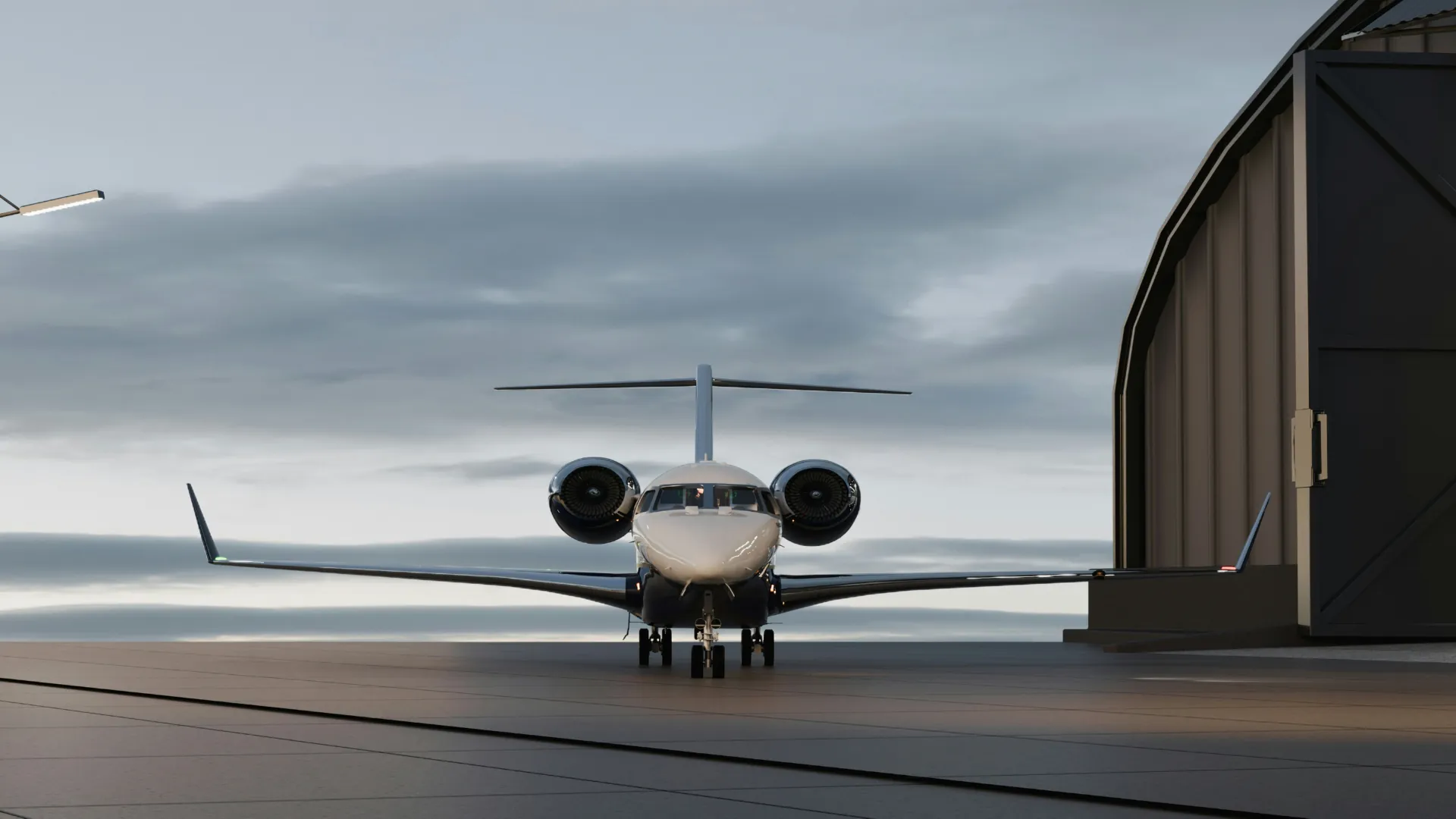
In Business Aviation, the broker sources private jets according to passenger numbers, routing, schedule, baggage and onboard requirements. Aircraft location is also important when assessing availability and, where possible, limiting unnecessary positioning.
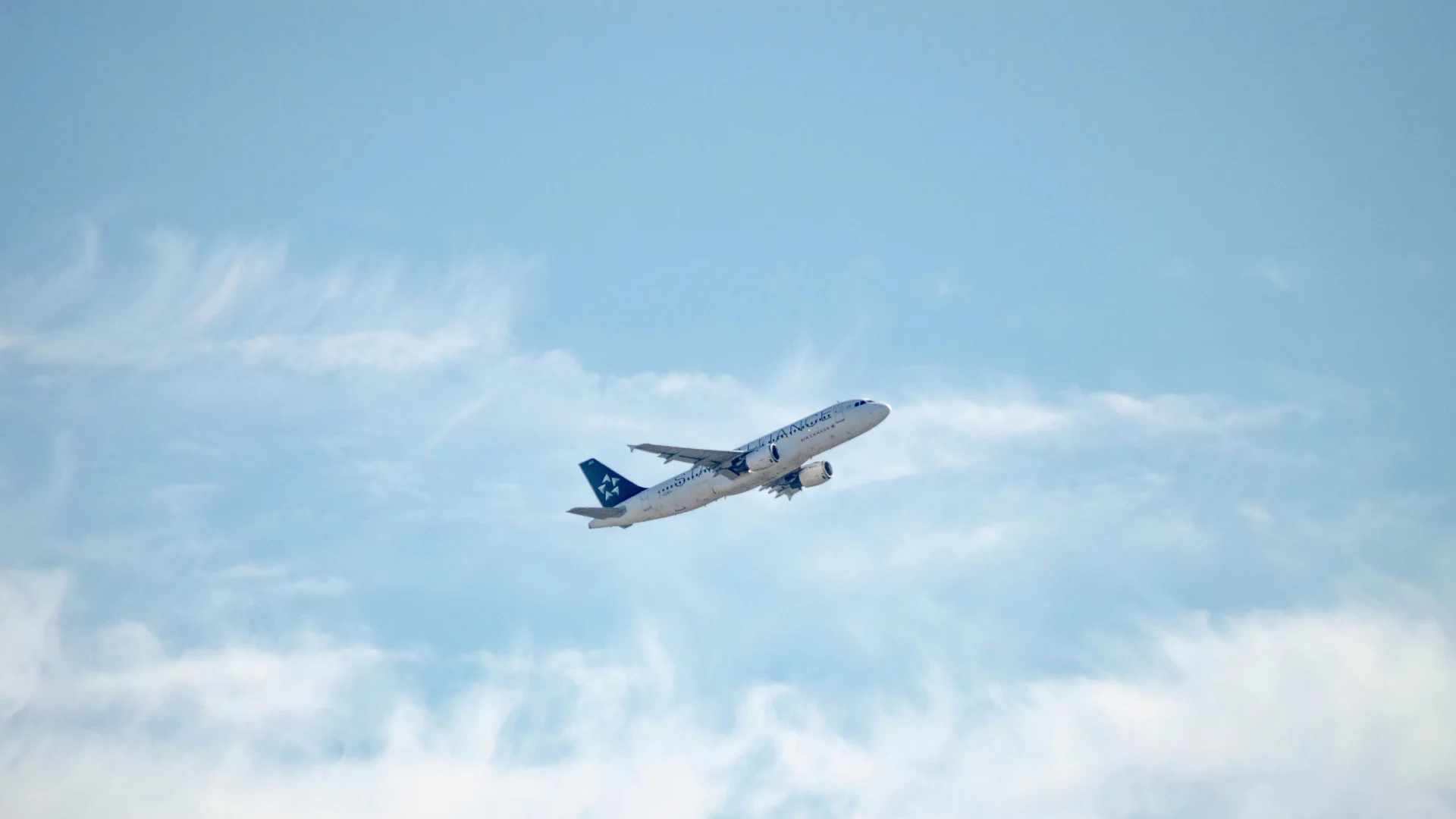
In Commercial Aviation, the search involves aircraft capable of transporting dozens or hundreds of passengers. Capacity, cabin configuration, baggage, flight programme, airports, onboard services and ground arrangements all form part of the assessment.
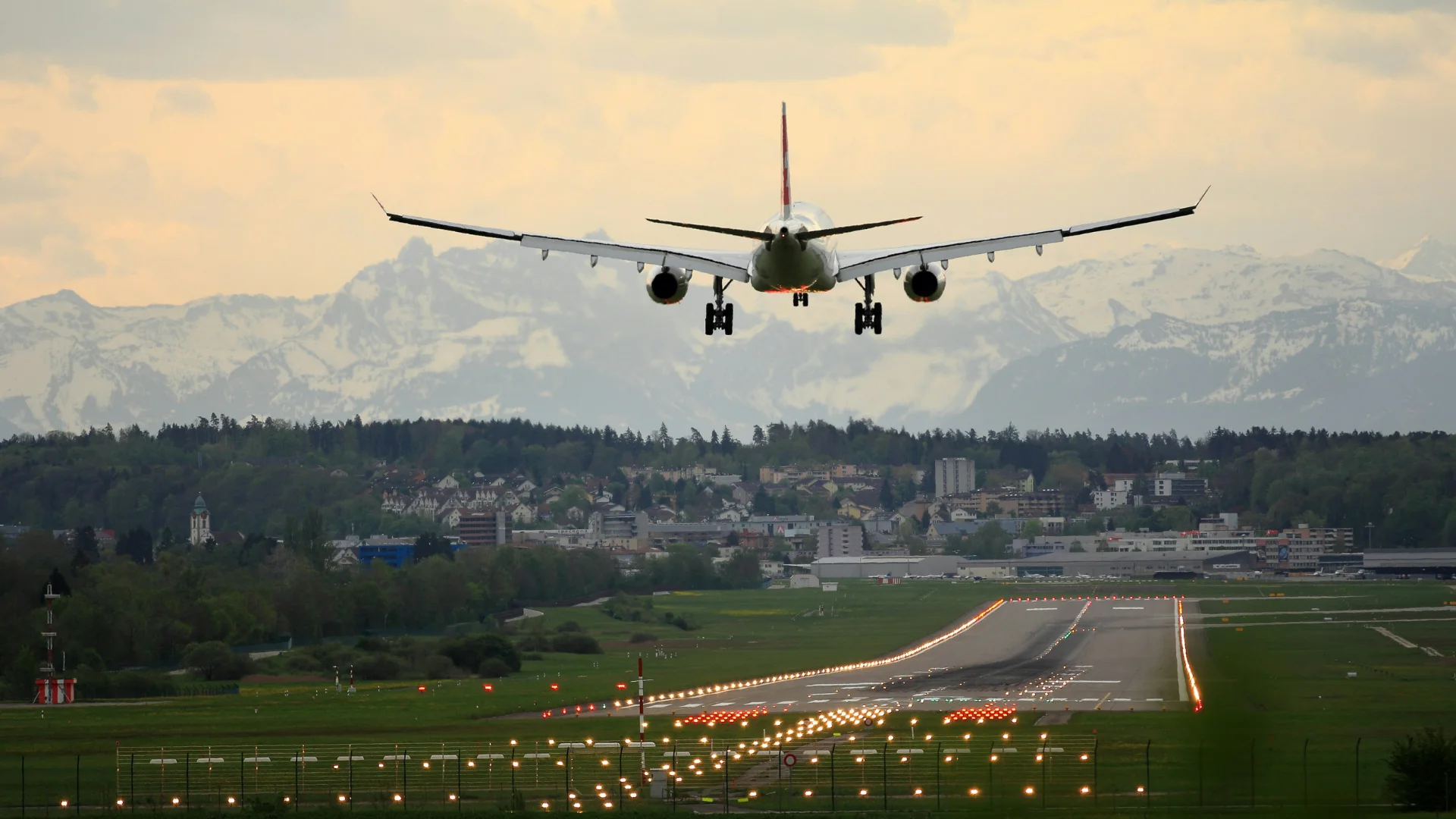
For the Sports department, these requirements are combined with the specific needs of teams, federations and delegations: competition schedules, post-match departures, sports equipment, significant baggage volumes, catering, transfers and group organisation.
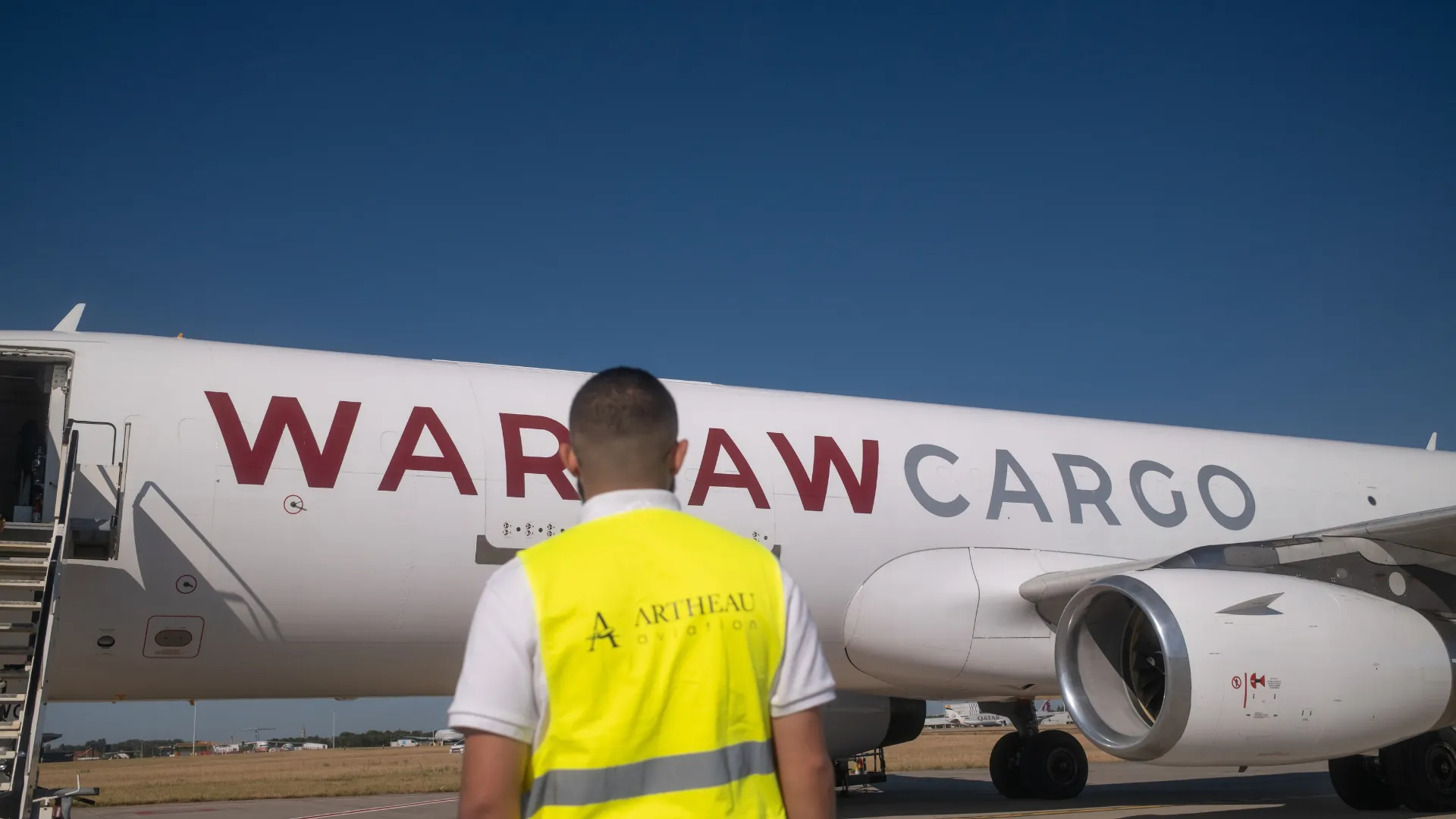
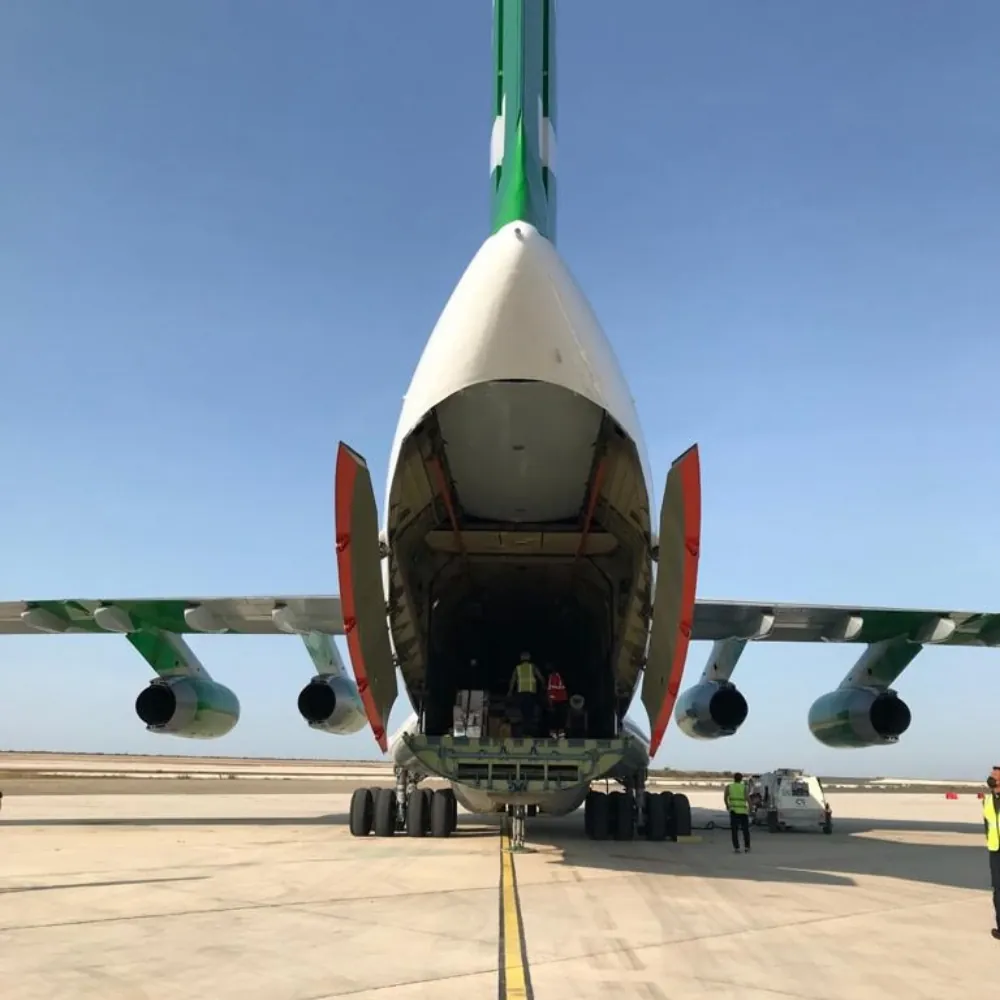
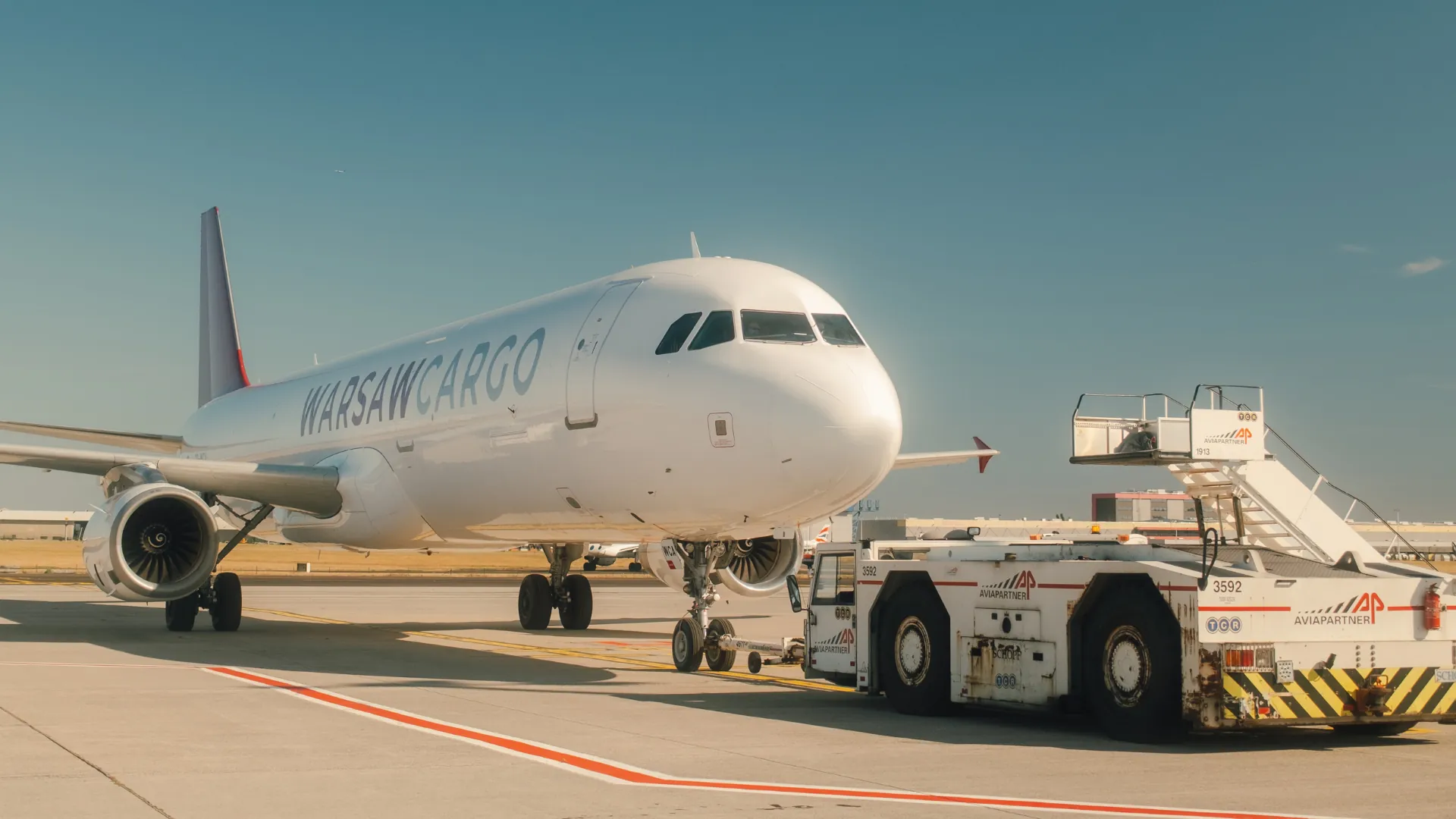
For Air Cargo, aircraft sourcing is driven by the shipment itself. Weight, volume, dimensions, packaging, urgency, loading requirements and airport infrastructure all help determine which cargo aircraft may be compatible with the operation.
The principle of air charter brokerage remains the same, but the sourcing criteria change considerably depending on the mission. The broker is not simply looking for an aircraft, but for available capacity compatible with the complete requirement.
How does a broker compare aircraft, operators and charter proposals?
Receiving several quotations does not necessarily make it easy to identify the most suitable solution. Two proposals for the same route may involve very different aircraft, services and conditions.
Price is naturally an important consideration, but it needs to be assessed alongside the complete proposal.
Aircraft type, capacity, configuration, positioning, baggage allowance, included services, proposed schedule and commercial conditions can all vary between offers.
Knowledge of the charter market can also allow the broker to identify alternatives the client may not initially have considered. A different aircraft type, a slightly adjusted schedule or an alternative airport can sometimes provide a better match for the requirements.This assessment also varies according to the Artheau Aviation department involved.
In Business Aviation, two jets within a similar category do not necessarily provide the same cabin, range or baggage capacity. Their location at the time of the flight can also explain part of the difference between quotations.
In Commercial Aviation, seat count is only one consideration. For a group of 100 passengers, for example, the broker may compare several aircraft categories according to availability, configuration, baggage requirements, routing and operating conditions at the relevant airports.
An aircraft offering exactly the required number of seats is therefore not automatically the best solution. Depending on the circumstances, a slightly larger aircraft already positioned nearby may be more relevant than a smaller aircraft requiring significant positioning.
For the Sports department, the assessment also needs to consider the programme of the team or delegation. An aircraft may appear suitable in terms of capacity but become less appropriate if it cannot accommodate the required schedule, equipment or return programme.
For Air Cargo, the comparison becomes even more technical. An aircraft may offer sufficient payload while still being unable to physically accommodate the shipment.
Cargo door dimensions, usable volume, individual piece weights and dimensions, floor loading limitations, pallets, packaging and handling equipment can all determine whether an operation is actually feasible.
This is where the expertise of an air charter broker becomes particularly valuable. It is not simply about knowing different operators, but understanding the characteristics of each proposed solution and their operational implications.

Why does having one point of contact simplify an aircraft charter?
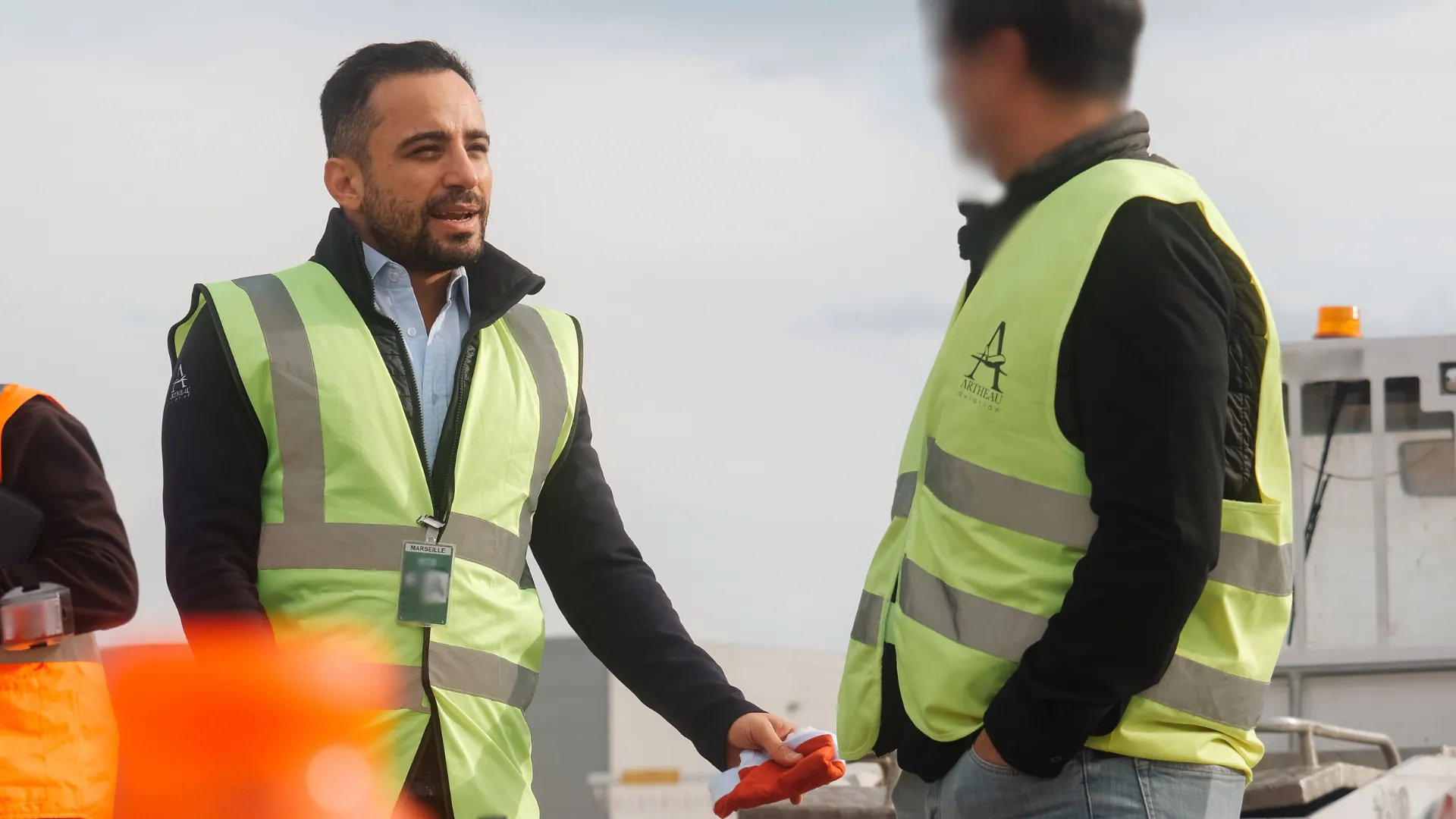
Once an aircraft has been selected, the broker's work does not end with the booking. An aircraft charter usually involves several parties, and numerous elements may need to be coordinated before departure. The broker becomes the client's main point of contact, liaising with the aircraft operator and the different service providers involved in the operation.
Depending on the mission, this can include schedules, passenger information, baggage, catering, ground transportation, airport assistance, handling and specific requests.
At Artheau Aviation, this coordination takes different forms depending on the department involved.
In Business Aviation, it may include private terminals or FBOs, ground handlers, chauffeurs, catering, baggage, pets and specific onboard requests.
In Commercial Aviation, the scale of the logistics changes considerably. Dozens or hundreds of passengers may need to travel according to the same programme. Passenger lists, baggage, pre-seating where available, catering, airport assistance, ground transfers and specific requests may all need to be coordinated around the same flight.
The Sports department adds another dimension: the flight forms part of the operational programme of a team or delegation. Competition schedules, post-match departures, player recovery, sports equipment, baggage volumes, catering and ground transfers can make coordination particularly important.
For Air Cargo, the parties and requirements change again. The broker may need to coordinate the operator, freight forwarder, ground handler and the loading equipment required for the operation. Cargo dimensions and packaging need to be confirmed, while certain shipments may require specific documentation or procedures.
In all four areas, the principle remains the same: the client retains one main point of contact for the charter while the broker coordinates the different parties required to perform the operation.
This centralisation is one of the key benefits of air charter brokerage. The broker is not simply coordinating the movement of an aircraft, but supporting a mission in which the aircraft, passengers or cargo, airports and associated services all need to work together.
What is the broker’s role before, during and when something changes?
The broker's involvement begins well before the aircraft departs and does not end when the booking is confirmed.
Before the flight, the broker analyses the requirements, sources available aircraft, compares proposals and coordinates the different elements required to perform the charter.
As departure approaches, operational information is consolidated with the operator and relevant service providers, including the flight programme, passengers, baggage, cargo, ground services and specific requirements depending on the mission.
On the day of operation, the broker remains a point of contact for following the flight and centralising information communicated by the different parties. This continuity becomes particularly important when something changes.
The client may request a different departure time, add passengers, increase baggage or modify the programme. These changes need to be checked with the operator to confirm feasibility and any operational or commercial consequences.
Events outside the client's control can also affect the flight, including technical issues, aircraft unavailability, weather conditions, airport restrictions, slot changes or other operational constraints.
The broker cannot eliminate the uncertainties inherent in air transport. The role is to centralise information, liaise with the operator, assess the consequences for the mission and investigate alternatives when required.
If the original aircraft becomes unavailable, for example, the market may need to be searched again to identify a replacement solution. Availability, cost and feasibility naturally depend on market and operational conditions at that time.
The consequences of a disruption also vary considerably depending on the mission.
In Business Aviation, a change can affect an executive's schedule or an itinerary involving several meetings.
In Commercial Aviation, it may affect dozens or hundreds of passengers simultaneously and require adjustments to transfers, handling, catering or other services already arranged.
For a sports team, a schedule change may affect the delegation's programme, player recovery, transfers or accommodation.
For Air Cargo, changing the aircraft or routing can require a new assessment of loadability, handling equipment or delivery schedule.
The broker's role nevertheless remains comparable: centralising information, coordinating the relevant parties and searching for solutions when the original programme can no longer be performed as planned.
At Artheau Aviation, this support is provided through four complementary areas of expertise with the same objective: supporting the client from the initial requirement through to the operation of the charter.
Need an aircraft charter? Talk to our brokers
Private jet, group travel, professional sports team or air cargo: Artheau Aviation’s four departments source and coordinate charter solutions according to the specific requirements of each mission.
FAQ
Using a broker allows a private jet request to be sourced from several operators rather than limiting the search to a single fleet. The broker assesses available aircraft, their location, characteristics, conditions and prices to present solutions corresponding to the client's requirements.
The broker can also coordinate the services surrounding the flight and remain the client's point of contact if the programme changes.
An air charter broker analyses the client's requirements, sources aircraft from different operators, compares proposals and supports the organisation of the flight.
The broker also centralises communication with the different parties involved and remains a point of contact when the programme changes or an operational constraint affects the charter.
Not necessarily. Pricing depends on factors including aircraft type, location, schedule, market availability and required services.
An operator may offer a suitable solution, while a broker can source and compare alternatives from different operators. The complete content of each proposal should therefore be assessed rather than assuming that one booking channel is always less expensive.
No. Air charter brokerage covers many different types of operations. Artheau Aviation is organised around four specialist departments: Business Aviation for private jets, Commercial Aviation for groups and companies, Sports for teams, federations and delegations, and Air Cargo for freight operations.
Each department deals with different requirements, but the broker's role remains the same: understand the mission, source suitable operators and aircraft, compare solutions and coordinate the charter.